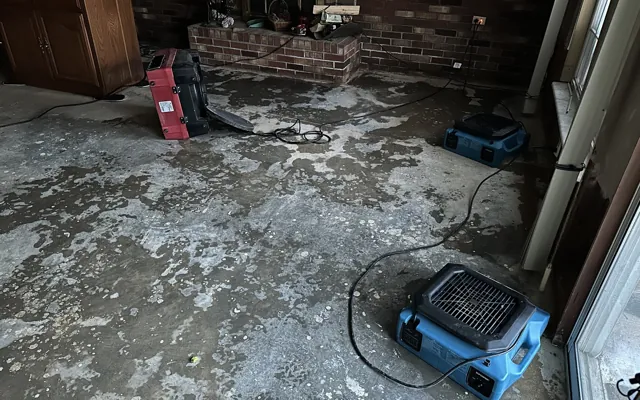
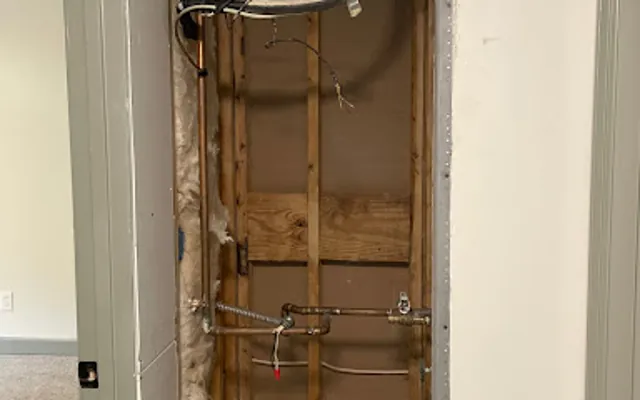
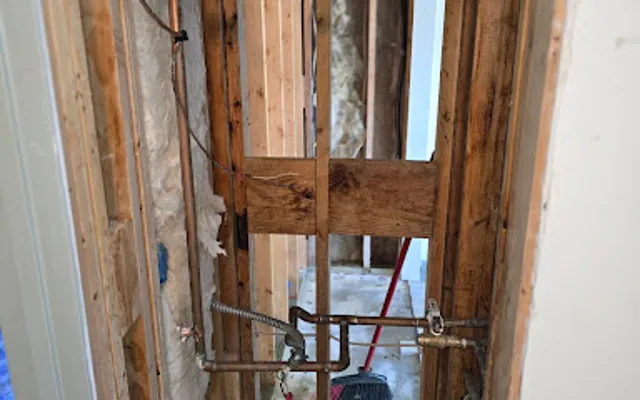
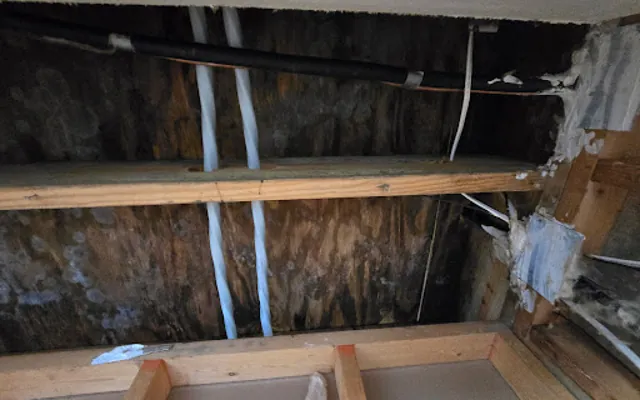
A burst supply line, a slab leak spreading under the floors, or a sewer backup will not wait until morning. Dive in Restoration answers the phone around the clock and reaches most Ventura addresses in about an hour, ready to extract water and start drying before the damage spreads.
A few quick steps protect your home and your safety while a crew is on the way. Only do what is safe to reach.
Shut off the fixture or the main water valve if you can safely reach it, so no more water feeds the damage.
If water is near outlets or the panel, switch off electricity to the affected area only. Never step into standing water to reach a breaker.
Take photos and a short video of the water and any damaged belongings before anything is moved. It helps your insurance claim.
The faster water is pulled and drying starts, the more flooring, drywall, and baseboards can be saved. Lines are open 24/7.
The first day after a loss decides how much of your home is saved. Water does not sit still. It wicks up drywall, soaks into carpet pad and subfloor, and slips under baseboards into wall cavities where you cannot see it. In a matter of hours it moves from a cleanup into a rebuild.
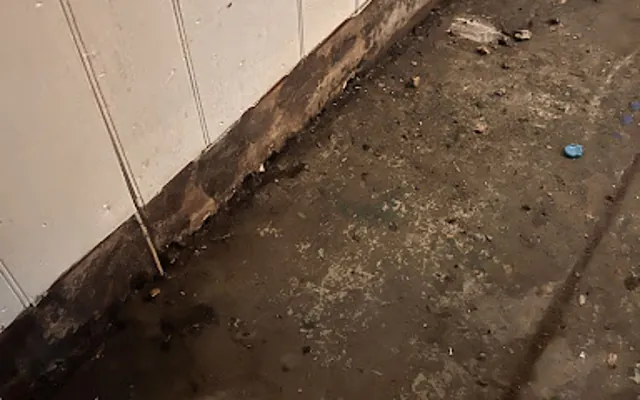
Drywall wicks moisture upward, laminate begins to swell, and furniture stains bleed into wet carpet. This is the window where fast extraction saves flooring and baseboards.
Ventura's marine layer keeps the air damp even after surface water looks dry, and trapped moisture in wall cavities and under floors still creates the humid pockets where odors and microbial growth take hold.
Unaddressed water reaches framing and insulation, warps hardwood beyond refinishing, and turns a targeted dry-out into demolition. Calling early is the cheapest step you can take.
Every water loss, one local crew. Focused services, each with its own page and process. These are the ones crews get called for most across Ventura County.

Truck-mounted and submersible units pull standing and absorbed water fast, any hour. Getting it out quickly is what saves your flooring and drywall.
Learn more
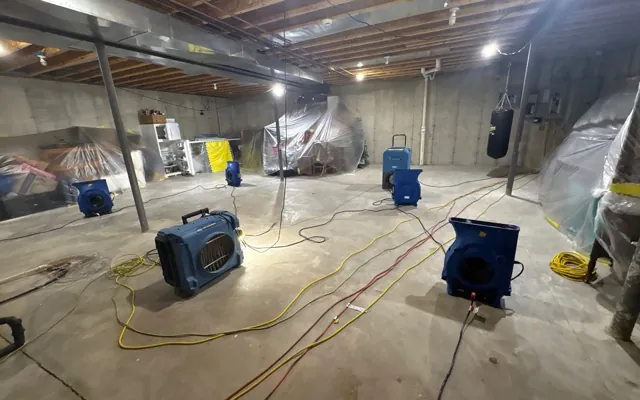
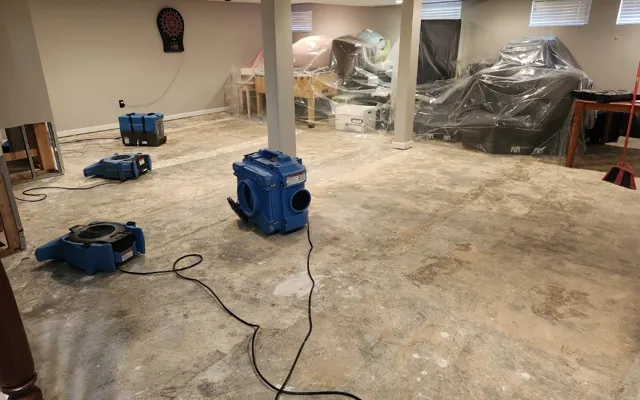
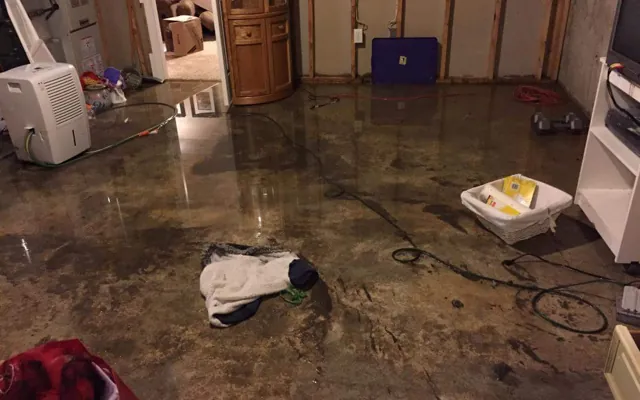
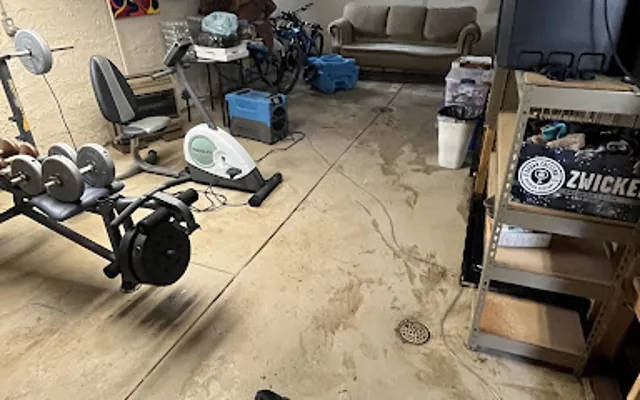
Winter storm runoff, sump-pump failures, and heavy-rain seepage put inches of water across basements and low-lying rooms. Crews pump, extract, flood-cut, and dry the space back to normal.
Learn more
A backed-up line brings contaminated category 3 water up through floor drains. Crews remove it safely, dispose of affected materials, and sanitize.
Learn more
Winter atmospheric-river storms and high surf along the coast drive water inside. Crews extract, muck out, and dry storm-soaked homes across Ventura.
Learn more
A supply line that lets go can run for hours before anyone notices. Crews shut it off, extract the water, and dry the walls and floors it reached.
Learn more
Ventura rarely sees a hard freeze, but on the coldest nights an exposed pipe in an exterior wall, crawlspace, or unheated garage can still split. Crews clean up the thaw-out and dry every cavity the water found.
Learn more
Winter storm winds and driving rain work flashing and shingles loose, soaking attics and ceilings. Crews dry the structure and stop the damage from spreading downward.
Learn more
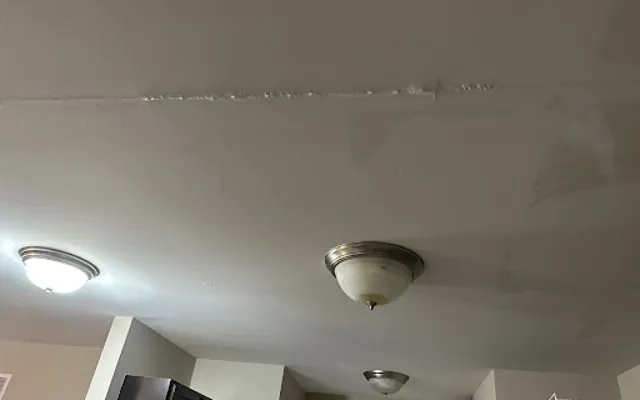
A stained, sagging ceiling usually means water traveling from a leak a room or two away. Crews find the source and dry it out before it falls.
Learn more
When the sump pump quits during a winter storm or a heavy downpour, the low-lying rooms it protects can flood fast. Crews remove the water and run measured drying until it reads dry.
Learn more
A failed water heater can dump forty gallons or more onto the floor. Crews extract the water and dry the surrounding structure fast.
Learn more
Marine-layer humidity and a slow appliance or slab leak can cup and buckle hardwood floors in Ventura's older homes before anyone spots the source.
Learn more
A pinhole leak under the slab wicks up through flooring for days. Crews locate it, extract the moisture, and dry the affected rooms.
Learn moreEvery job follows the same disciplined path, from the first phone call to the final moisture reading. You always know what is happening and why.
Crews find the source, map the moisture with meters and thermal imaging, classify the water, and photograph everything for your insurance claim.
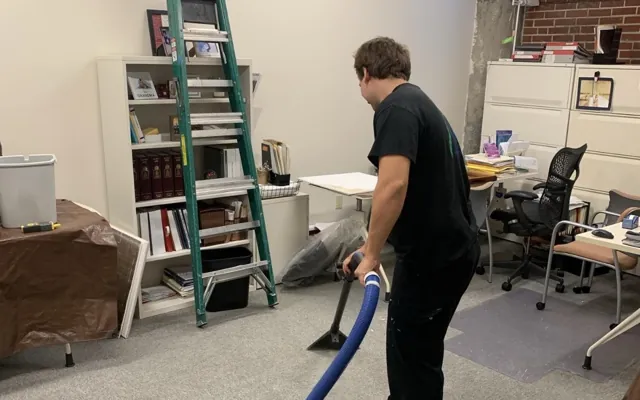
Truck-mounted and portable extractors pull standing water fast, and submersible pumps clear deep basement flooding down to a damp surface.
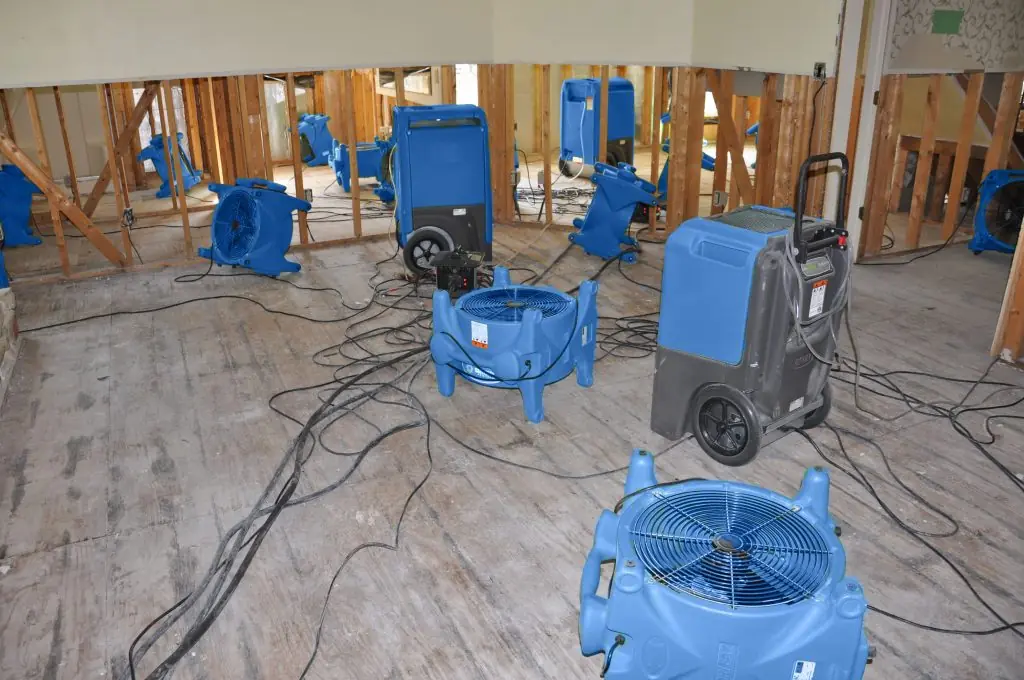
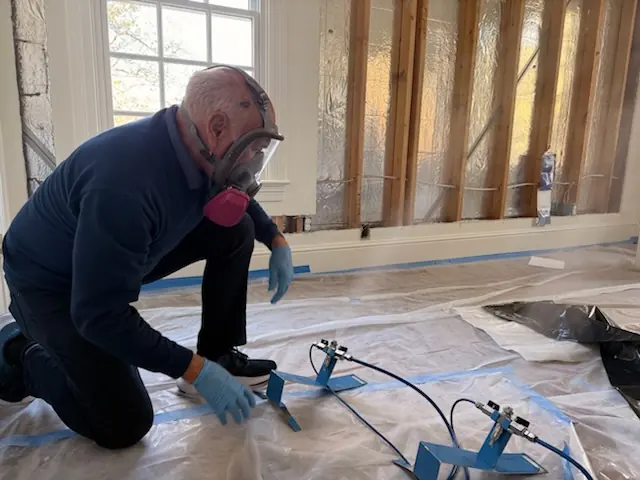
Air movers and commercial dehumidifiers run to an IICRC-standard drying goal, verified daily with moisture readings, not guesswork.
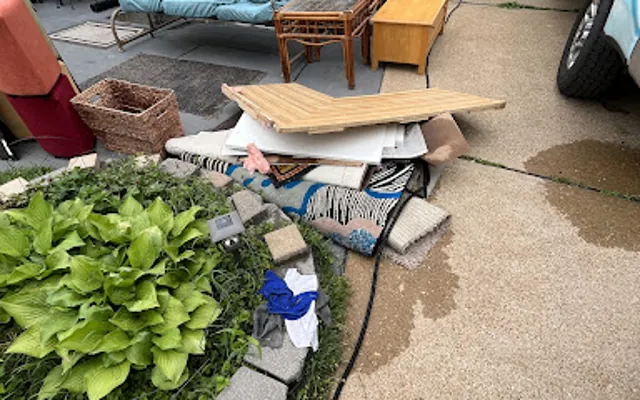
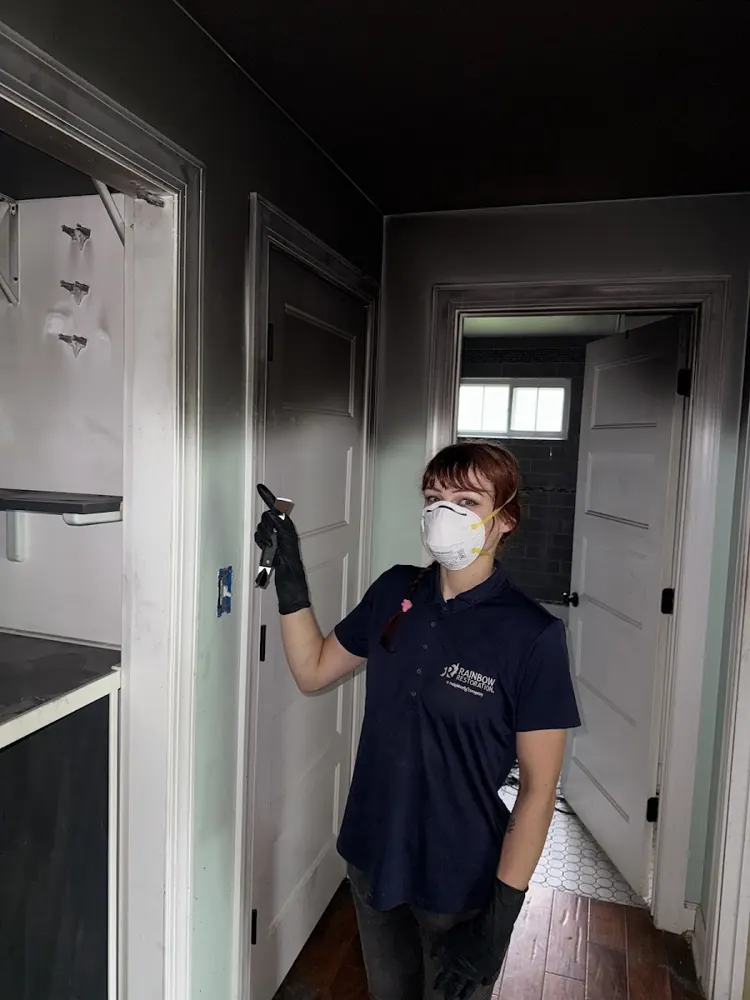
Crews put your home back together, from replacing drywall and baseboards to reinstalling flooring, so the space looks the way it did before.
Not all water is equal. The category decides how the job is handled, what can be saved, and how much protective work is required. Here is the plain-English version.
From a supply line, an overflowing tub, or a burst pipe carrying fresh water. It is the least hazardous, but even clean water becomes a category 2 problem within a day or two if it sits.
Water with some contamination, such as a dishwasher or washing-machine discharge, or a toilet overflow without solids. It needs proper handling and cannot simply be dried in place.
Sewage backups and floodwater from outside. A backed-up sewer line or a storm surge can push category 3 water up through basement drains. This is contaminated and calls for professional sewage cleanup and sanitizing.
Ventura homes tell a coastal California story: aging cast-iron and galvanized plumbing in early-1900s Downtown and Midtown homes, slab-on-grade and raised foundations prone to slab leaks, marine-layer humidity and salt-air corrosion, and a climate that swings from winter atmospheric-river storms to post-wildfire debris flows. These are the calls crews take week in and week out.
Cast-iron and galvanized supply lines and drains in older Ventura homes corrode and fail, and pinhole leaks under slab-on-grade foundations can run for days before anyone notices.
Burst pipe cleanupAtmospheric-river storms and heavy rain drive water against foundations and through roofs, and a failed sump pump during a storm can put inches of water across a low-lying room.
Basement floodingWinter storms and wind-driven rain work flashing and shingles loose, and the water shows up as a stained, sagging ceiling one or two rooms from the actual leak.
Roof leak water damageBacked-up sewer and main lines bring category 3 water up through floor drains in older neighborhoods, and high surf or heavy coastal flooding near the beach neighborhoods can push water back up through those same drains.
Sewage & black waterPulling the visible water is only the start. The difference between a home that dries clean and one that develops odor months later is whether the hidden moisture was actually measured and removed. Proper structural drying means drying to a documented target, following IICRC drying standards, and proving it with numbers.
In Ventura, CA, water damage restoration typically runs $1,200 to $8,000, depending on the water category, how far it spread, and the materials affected. These are typical ranges across Ventura County, not a quote, and your insurance carrier often covers most of it.
Every loss is different, and your carrier often covers most of it. For a closer estimate, try the Ventura water damage cost calculator or call for an on-site scope.
Most sudden water damage, a burst pipe, an appliance that let go, or a storm that drove water in, is covered by a standard homeowner policy. Crews photograph and measure the loss, bill your carrier directly, and you usually pay only your deductible. Sewer backup and river flooding are often separate coverage, and crews will tell you plainly what is likely covered before crews start.
When water is spreading across your floor, you want a team that picks up, shows up, and knows Ventura County homes. That is what Dive in Restoration is built to do, and it is why Ventura families trust the crew with the worst day their house has had.
Every loss is photographed and moisture-mapped from the first visit, with readings and reports formatted the way adjusters expect so the work holds up with your carrier.
IICRC-trained technicians who follow recognized drying standards, carry full insurance, and document every job so the work holds up with your carrier.
Emergencies happen at 2 a.m. as often as 2 p.m. Call any time, day or night, and a real crew is dispatched, not an answering service that calls you back tomorrow.
Crews know slab-on-grade builds, aging supply lines, raised foundations, and the marine-layer humidity that lingers along the coast because crews work on them every week. Local knowledge means a faster, smarter dry-out.
Based in Ventura and dispatching across the city and the neighboring communities, the crews reach the neighborhoods and towns below fast. If you do not see yours, call and ask.
Dive in Restoration is a local, IICRC-standard crew that helps Ventura County families recover from floods, backups, and burst pipes. When you call, you reach people who know Ventura homes, their slab-on-grade foundations, crawlspaces, and aging plumbing, and who answer the phone themselves.
If it is safe, stop the water at the source or the main shutoff, and cut power to the affected area only if you can reach the breaker without standing in water. Then call a restoration crew right away. The sooner extraction starts, the more of your flooring and drywall can be saved. Take a few photos for your insurance while you wait.
In Ventura, water damage restoration typically runs from about $1,200 for a small, clean-water loss to $8,000 or more for a large basement flood or a category 3 sewage backup. The final number depends on the water category, how far the water spread, and which materials were affected. Most losses are a covered insurance claim, and crews bill your carrier directly.
Sudden and accidental water damage, such as a burst pipe or a storm-driven roof leak, is usually covered. Gradual seepage that was ignored over time often is not, and outside flooding needs a separate flood policy. Crews document the loss the way adjusters expect and work with your carrier so you get the coverage you are owed.
Call the restoration crew first. Stopping the damage and starting extraction protects your property and actually strengthens your claim, because it shows you acted to prevent further loss. Crews will document everything from the start and can walk you through opening the claim.
Most water damage is fully repairable when it is caught early. Hardwood, drywall, and cabinetry can often be dried and saved in the first day or two. The longer water sits, the more materials have to be removed and rebuilt instead of dried, which is why a fast call makes such a difference.
The most common are aging cast-iron and galvanized supply lines and drains failing in older homes, slab leaks under slab-on-grade foundations, winter atmospheric-river storms driving roof leaks, and sewer or main-line backups in older neighborhoods. Marine-layer humidity and coastal salt-air corrosion add to the mix near the beach neighborhoods.
Do not wait for it to spread. Dive in Restoration is on call 24 hours a day and can be on the way within the hour.
Call (805) 427-9593